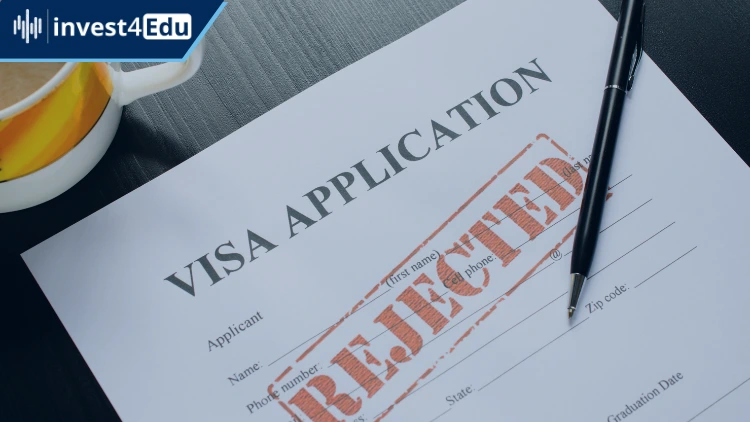
Having your student visa rejected can be a big disappointment, especially after all the effort you’ve put into planning your studies abroad. But don't worry—this doesn’t mean you can’t move forward. Many students face visa rejections for different reasons, and the good news is that there are things you can do to fix it and try again.
The first step is to stay calm and figure out why your visa was denied. Knowing the exact reason will help you address the problem and make your application stronger next time. Whether it’s missing paperwork, unclear financial details, or concerns about your plans after study, identifying the issue and fixing it will help you improve your chances when you reapply.
What is a Student Visa?
A student visa is an official document issued by a foreign government that permits individuals to study in a specific country for a defined period. It is like a pass that lets you study in another country for a certain amount of time. It’s issued by the government of the country you’re heading to, usually through their embassy or consulate. It’s not the same as citizenship, so it doesn’t come with perks like voting or staying permanently. Instead, it’s just permission to enrol in schools, colleges, or universities abroad.
Student visas are typically stamped or stuck inside your passport, and they’re absolutely essential if the country you’re going to requires one. Without it, you can’t start your studies or even enter the country. To keep your student visa valid, you need to follow the rules, like staying enrolled in school, not working without permission, and leaving when your visa expires.
What to Do If Your Student Visa Gets Rejected?
Your dream of studying abroad is one of the most exciting chapters of your life. It’s a journey that promises personal growth, world-class education, and new experiences. However, sometimes life throws a curveball, and your student visa application may get rejected. While this can be disheartening, it’s essential to remember that a rejection is not the end of your dream; it’s just a temporary setback. With the right approach, determination, and guidance, you can turn things around and still achieve your goal.
Let’s walk through what you should do if your student visa gets rejected, step by step.
1. Understand the Reasons for Rejection
The first thing to do after a rejection is to understand the reason behind it. Immigration authorities usually provide a formal letter explaining why your visa was denied. Common reasons include:
-
Incomplete Documentation: Missing or incorrect paperwork can lead to rejection.
-
Insufficient Financial Proof: The inability to demonstrate that you have the financial means to support your studies and stay abroad.
-
Unclear Intentions: If the visa officer is not convinced that you plan to return to your home country after completing your studies.
-
Poor Interview Performance: Failing to answer questions confidently and clearly during the visa interview.
-
Academic Concerns: If your academic qualifications or English proficiency do not meet the requirements.
Understanding these reasons is crucial because it helps you address the specific issue when reapplying.
2. Take a Moment to Reflect
Rejection can be a tough pill to swallow, especially when you’ve invested so much effort, time, and money. It’s okay to feel disappointed—give yourself some time to process the setback. Share your feelings with family or friends who can provide emotional support. Remember, many students face visa rejections but successfully reapply and fulfil their dreams.
3. Seek Professional Guidance
Navigating the visa application process can be overwhelming, especially after a rejection. This is where expert advice can make a difference. Consider reaching out to:
-
Education Consultants: They specialise in guiding students through the application and visa process.
-
Immigration Lawyers: For complex cases, a legal expert can provide tailored advice and solutions.
-
University Advisors: Some universities have international student offices that assist with visa-related concerns.
These professionals can help you understand what went wrong and how to strengthen your next application.
4. Review and Strengthen Your Documentation
Double-check all the required documents and ensure they are complete and accurate. Pay special attention to:
-
Financial Proof: Make sure your bank statements or sponsorship letters meet the requirements.
-
Academic Records: Provide clear and authenticated transcripts and certificates.
-
Letter of Acceptance: Ensure that your admission letter from the university is official and meets visa guidelines.
-
Statement of Purpose (SOP): If applicable, rewrite your SOP to address any concerns and demonstrate your genuine intentions.
5. Improve Your Visa Interview Skills
If your rejection was due to a poor interview, prepare more thoroughly for the next one. Here are some tips:
-
Practice Common Questions: Work on answering typical visa interview questions confidently.
-
Be Honest: Provide truthful and concise answers to avoid inconsistencies.
-
Demonstrate Ties to Your Home Country: Highlight reasons you will return, such as family, career plans, or property.
-
Stay Calm and Polite: A positive attitude can leave a good impression on the visa officer.
Mock interviews with a coach or mentor can also help build your confidence.
6. Address Financial Concerns
If insufficient funds were the issue, take steps to rectify it. You could:
-
Show additional proof of savings or sponsorship.
-
Apply for scholarships or educational loans.
-
Provide detailed financial affidavits or statements to clarify your ability to fund your studies.
Demonstrating that you have the means to cover tuition and living expenses is a critical aspect of any visa application.
7. Consider Alternative Options
If reapplying to the same country seems challenging, you might explore other study destinations with less stringent visa processes. For example:
-
Some countries have more flexible policies for international students.
-
Universities in certain nations offer special programs to help students transition.
Keep an open mind and consult with experts to find the best fit for your academic and career goals.
8. Reapply with Confidence
Once you’ve addressed the reasons for rejection, gather your updated documents and prepare to reapply. When reapplying:
-
Be Thorough: Double-check every detail before submission.
-
Address Previous Issues: Clearly explain how you’ve resolved the problem cited in your rejection letter.
-
Stay Positive: Remember that many students succeed in their second or even third attempts.
9. Learn from the Experience
Facing rejection can teach you resilience and problem-solving skills. Use this as an opportunity to grow:
-
Reflect on what you could do better next time.
-
Share your experience with others who might be in a similar situation.
-
Stay focused on your long-term goals.
10. Keep Your Dream Alive
It’s easy to feel defeated after a rejection, but remember that every setback is a setup for a comeback. Countless students worldwide face similar challenges and still go on to achieve remarkable success. Your determination, persistence, and willingness to adapt will eventually lead you to your destination.
How invest4Edu Can Help in Academic and Career Aspiration
invest4Edu is dedicated to supporting students in achieving their academic and career aspirations. Here’s how we can assist you:
-
Psychometric Testing: Choosing the right career path is crucial. Our psychometric tests help identify your strengths, interests, and aptitudes, enabling you to make informed decisions about your future.
-
Study Abroad: We guide you through the entire study abroad process, from selecting the right university to preparing your visa application. Our experienced advisors ensure that your application is comprehensive and meets all requirements.
-
Education Loans: Financial constraints should never hold you back from pursuing your dreams. invest4Edu connects you with trusted financial institutions to secure education loans at competitive rates. We assist you in understanding loan options, documentation, and repayment plans.
-
Career Counselling: Making informed career decisions is vital for long-term success. Our experts provide personalized career counselling sessions to help students explore various career options, align them with their interests, and set achievable goals.
-
Financial Planning: A robust financial plan is the backbone of a successful educational journey. invest4Edu offers tailored financial planning services to ensure that students and their families can comfortably manage tuition fees, living expenses, and other costs.
With invest4Edu by your side, you’ll have the resources, guidance, and confidence to overcome challenges and turn your study abroad dream into a reality.
Conclusion
A student visa rejection is not the end of the road—it’s a temporary obstacle that can be overcome with the right mindset and strategy. Take it as an opportunity to reassess, strengthen your application, and come back stronger. Remember, your dream of studying abroad is worth fighting for, and with perseverance, you’ll get there. invest4Edu is here to support you every step of the way. You can reach out to us via our website, email, or helpline to explore our range of services, including visa guidance, career counselling, financial planning, and more.