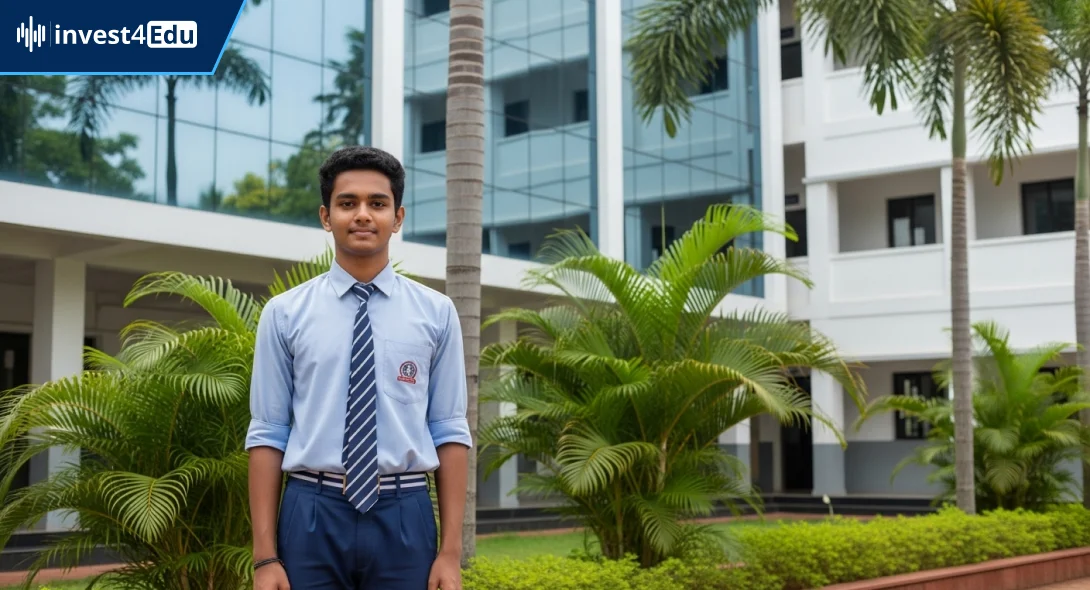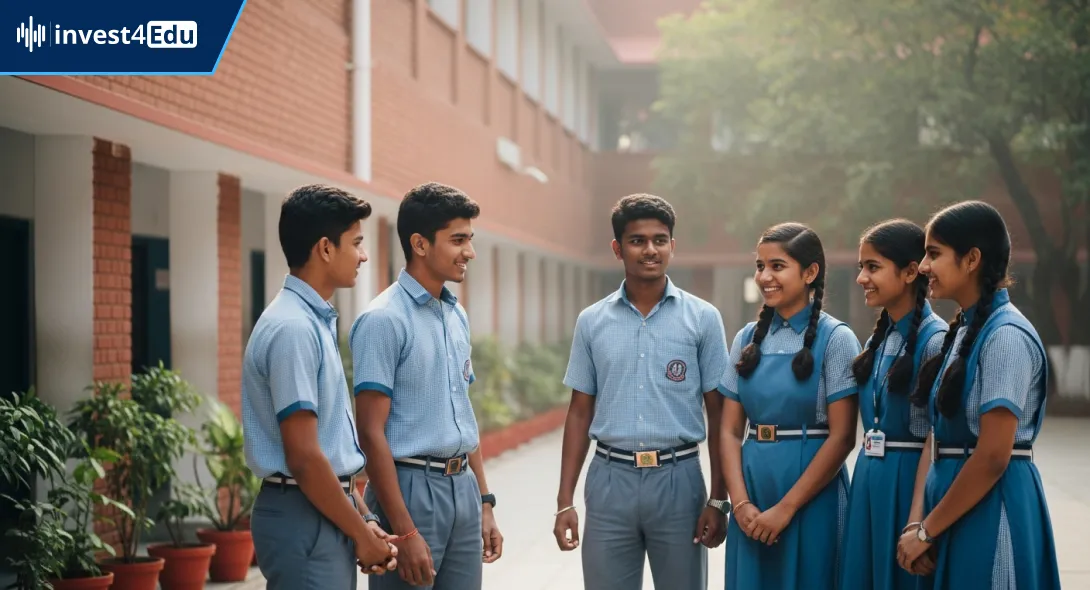
In India, millions of students rely on government schools to provide them with accessible and reasonably priced education. The government is dedicated to ensuring that every kid can study, develop, and achieve as education is acknowledged as a fundamental right. Government schools bridge the gap between socio-economic backgrounds, ensuring that every child, irrespective of their family's income, has access to quality education.
This article lists the top 10 government schools in India, highlighting their excellence in education, challenges, and unique features. It also provides insights into central government schools and answers common questions, offering helpful resources for parents and students.
Top 10 Government Schools in India
Government schools in India are vast and diverse, with some institutions rising to national recognition for their excellence in academics, infrastructure, and holistic student development. Here, we explore the top ten government schools in India that stand out due to their unique approaches, consistent achievements, and commitment to education.
1. Jawahar Navodaya Vidyalaya (JNV), Bangalore
JNV Bangalore is part of the prestigious Jawahar Navodaya Vidyalaya network, known for providing high-quality education to rural students. It stands out for its academic rigor, comprehensive residential facilities, and holistic development approach. The school is one of the best options for students aiming for both academic success and personal growth.
Unique Features:
- Rigorous Entrance Process: The school admits students through a competitive entrance exam, ensuring a talented cohort of students.
- Residential Facilities: Provides students with boarding facilities that help in creating a disciplined, focused, and independent learning environment.
- Emphasis on Extracurricular Activities: JNV Bangalore focuses not just on academics but also on sports, cultural activities, and leadership development.
- Character Development: The school promotes values like self-reliance, critical thinking, and social responsibility.
Courses Available:
- Streams: Science, Commerce, and Humanities (for senior secondary classes).
- Curriculum: CBSE (Central Board of Secondary Education), with a balanced focus on academic, physical, and extracurricular development.
2. Rajkiya Pratibha Vikas Vidyalaya (RPVV), New Delhi
RPVV is one of the best school in New Delhi , known for its emphasis on academic excellence and producing top performers in board exams. These schools admit only the best students from government schools, making it a highly prestigious institution.
Unique Features:
- Selective Admission Process: Only top-performing students from government schools are eligible, ensuring a highly competitive academic environment.
- Highly Qualified Faculty: The school boasts of experienced and committed teachers who focus on each student’s academic and personal growth.
- State-of-the-Art Facilities: Well-equipped classrooms, laboratories, libraries, and sports facilities create an ideal environment for students to thrive.
- Holistic Development: The school offers a broad spectrum of extracurricular activities, ranging from sports to cultural programs, which help students develop both intellectually and socially.
Courses Available:
- Streams: Science, Commerce, and Humanities.
- Curriculum: CBSE, with a comprehensive approach to both academics and extracurriculars.
3. Kendriya Vidyalaya (KV), IIT Chennai
Located within the IIT Madras campus, KV IIT Chennai offers students the opportunity to study in an academically enriching environment. It serves the children of central government employees and focuses on high academic standards, particularly in STEM (Science, Technology, Engineering, and Mathematics) fields.
Unique Features:
- Proximity to IIT Madras: The school benefits from its association with one of India’s top technical institutes, offering students access to cutting-edge research and academic exposure.
- Focus on STEM: KV IIT Chennai has a strong reputation for producing top-performing students in science and mathematics, regularly excelling in competitive exams.
- Vibrant Campus Life: Students are encouraged to participate in a range of extracurricular activities, including sports, arts, and leadership programs.
- High-Quality Infrastructure: The school is equipped with modern teaching aids, science labs, computer centres, and sports facilities.
Courses Available:
- Streams: Science, Commerce, and Humanities.
- Curriculum: CBSE, with specialized support for students interested in STEM subjects.
4. Kendriya Vidyalaya, Pattom, Thiruvananthapuram
As one of the oldest Kendriya Vidyalayas, KV Pattom is recognized for its well-rounded approach to education. It draws students from all over the region and offers a mix of academic and extracurricular excellence.
Unique Features:
- Oldest KV in Kerala: Established as a premier institution, it has a legacy of producing successful graduates.
- Academic Excellence: Known for producing consistent top performers in board exams, especially in science and commerce streams.
- Strong Alumni Network: Alumni from this school have achieved success in various fields, including engineering, medicine, and business.
- Focus on Arts and Culture: Along with academics, KV Pattom encourages students to participate in cultural activities, contributing to their all-round development.
Courses Available:
- Streams: Science, Commerce, and Humanities.
- Curriculum: CBSE with a special focus on both academic subjects and extracurricular activities.
5. Sainik School, Ghorakhal, Uttarakhand
Sainik School, Ghorakhal, is one of the most prominent military schools in India. It is dedicated to preparing students for a career in the Indian Armed Forces while ensuring that they excel academically and in sports.
Unique Features:
- Military-Based Curriculum: Students receive military training alongside academics, promoting discipline, physical fitness, and leadership.
- Leadership Development: The school’s focus on leadership, teamwork, and resilience prepares students for a successful career in the defence forces.
- Holistic Training: The curriculum includes physical training, mental conditioning, and intellectual growth.
- Boarding Facilities: The school offers well-maintained residential facilities that support disciplined living and learning.
Courses Available:
- Streams: Science, with special emphasis on physical education and leadership development.
- Curriculum: CBSE, complemented by physical fitness and military training programs.
6. Maharishi Patanjali Vidya Mandir, Allahabad
Maharishi Patanjali Vidya Mandir combines traditional education with modern techniques, producing students who excel academically and in cultural activities. It stands out for its balanced approach to education, which emphasises both intellectual and holistic development.
Unique Features:
- Research-Oriented Education: The school focuses on fostering research and innovation, encouraging students to think critically.
- Cultural Engagement: Students participate in various cultural events that enhance their personality development and creativity.
- Excellence in Board Exams: The school’s students consistently perform well in board exams, securing top positions.
- Holistic Approach: Emphasizes both academic achievements and personal growth through sports, arts, and cultural activities.
Courses Available:
- Streams: Science, Commerce, and Humanities.
- Curriculum: CBSE with a special emphasis on research, culture, and intellectual development.
7. Rajkiya Pratibha Vikas Vidyalaya, Sector 10, Dwarka
This RPVV school in Dwarka is recognized for its academic rigor and outstanding extracurricular activities. It is ideal for bright students aiming for top academic achievements while also excelling in other fields.
Unique Features:
- Top-Quality Faculty: Experienced teachers who provide personalized attention to each student.
- Extensive Extracurriculars: Offers a wide range of activities, including sports, drama, and music, to develop well-rounded individuals.
- Academic Excellence: The school’s students regularly score high marks in board exams and competitive entrance tests.
Courses Available:
- Streams: Science, Commerce, and Humanities.
- Curriculum: CBSE, with a focus on holistic education that includes academic and extracurricular pursuits.
8. Jawahar Navodaya Vidyalaya, Pune
Why It's on the List: JNV Pune is a distinguished school that offers education to rural students with a focus on academic excellence and personal growth. The school fosters a disciplined, goal-oriented environment where students can thrive.
Unique Features:
- Residential Education: Like other JNVs, it offers boarding facilities, ensuring that students live in a disciplined and structured environment.
- Critical Thinking and Self-Reliance: The school encourages students to develop critical thinking skills and be self-reliant in both academics and extracurriculars.
- Community Building: Students are encouraged to work together, building strong community bonds.
Courses Available:
- Streams: Science, Commerce, and Humanities.
- Curriculum: CBSE, with a focus on academic excellence and personal development.
9. Sainik School, Kazhakootam, Thiruvananthapuram
Why It's on the List: Known for its preparation for the Indian Armed Forces, Sainik School Kazhakootam focuses on academic excellence and leadership skills. It produces disciplined and physically fit students ready for military careers.
Unique Features:
- Military Training: Provides a structured curriculum that prepares students for the defence services.
- Leadership Skills: Strong focus on leadership, sportsmanship, and community service.
- Discipline and Physical Fitness: Daily routines include physical fitness training and discipline-building activities.
Courses Available:
- Streams: Science, with emphasis on military training and physical education.
- Curriculum: CBSE, enhanced by physical and leadership training programs.
10. Government Boys Senior Secondary School, Jalandhar
Why It's on the List: This school in Punjab is known for its academic excellence and strong focus on both sports and academics. It has a legacy of producing successful professionals in various fields.
Unique Features:
- Academic Excellence: Known for producing top performers in both school exams and competitive tests.
- Sports Focus: The school encourages participation in various sports, providing students with ample opportunities to develop their athletic skills.
- Strong Alumni Network: A thriving alumni network that offers guidance and mentorship to current students.
Courses Available:
- Streams: Science, Commerce, and Humanities.
- Curriculum: CBSE, with a focus on academic rigor, sports, and overall student development.
List of Central Government Schools in India
Central Government Schools, such as Kendriya Vidyalayas (KV) and Jawahar Navodaya Vidyalayas (JNV), are especially popular due to their consistent curriculum and focus on student development. These schools are managed by central agencies, ensuring higher standards and more resources than many local government schools.
1. Kendriya Vidyalayas (KVs)
Due to the nature of their jobs, Central Government personnel are allocated and posted frequently. It was, therefore, decided to set up Kendriya Vidyalayas to provide a common platform for the education of such children across the country. There are more than 1,200 oh so well established schools in India called KVs known for their released syllabus which is still CBSE based. These colleges establish conditions for the practical achievement of the educational process, including education, sports, and extra curriculums in equal proportions. KVs are particularly praised for their facilities such as labs, a well-furnished library, and other infrastructures such as skilled teachers.
2. Jawahar Navodaya Vidyalayas (JNVs)
Navodaya Vidyalayas JNVs serve as stores for nurturing rural talent providing excellence in education free of charge. In order to assist rural students, there is an entrance exam criterion; the education, boarding and accommodation is free thus very accessible. In this context, JNVs adhere to the CBSE curriculum with a focus on science, math, and languages. JNVs not only provide education but also sports, arts and music, among others for complete development. Although JNVs cater for rural students in various areas such as engineering, medical, and civil service, there has been immense success in providing cultivation resources for the rural students with the aim of education.
3. Sainik Schools
Founded with the aim of enabling students to join National Defence Academy as their academic studies come to an end, Sainik Schools are specially designed to shape students into soldier-like people in regard to discipline, leadership as well as toughness. They also provide a CBSE syllabus and add constructive training of a physical and mental nature appropriate for an armed force’s career. There are 33 Sainik Schools, located at various places throughout the country, which prepare students to take the NDA, while also faring well in other studies. Sainik Schools encourage students to combine classroom knowledge with the experience gained from outdoor games, military drills and leadership projects, which are vital for a student who wants to pursue a career in the defense forces.
4. Central Tibetan Schools Administration (CTSA)
CTSA schools are unduly lesser known than their counterparts however, CTSA schools were established with the primary aim of educating Tibetan children who were exiled to the Indian subcontinent. CBSE is implemented in the schools which equally value Tibetan culture, language and customs as they strive to achieve a good education. These schools give good education and bring about cultural respect and integration.
Role of Government Schools in India
Education in India is well assisted by the Government schools since they are spread across rural villages and urban centers. Their main aim is to ensure that the education sector is available and equitable, targeting particularly the children from less fortunate areas.
- Government schools charge no fees at all or do make a small charge which can be afforded by low income families. The Right to Education (RTE) Act guarantees school enrolment to all children aged 6 to 14 years.
- It is a known fact that many Government schools, especially Central Government schools follow the CBSE curriculum which further ensures education standards are consistent and up to the standard.
- The focus of the government schools is to deliver a solid kind of education that can be offered by a private school.
- Government schools set their objectives fairly high and in many cases are able to achieve what would be expected out of private schools.
- Non-financial obstacles like Initiatives such as Midday Meal Scheme or Students' scholarships make sure children live in self-sufficient conditions that are mandatory for the educational process.
Government schools are of an invaluable importance in the process of education to Indian youth by teaching them educational and socio-economic virtues which in return serve as social pillars.
Challenges Faced by Government Schools
Despite their significance, government schools in India face several challenges. Addressing these issues is key to enhancing educational quality and accessibility. Here are some prominent challenges:
- Infrastructure and Resources: Many government schools lack essential facilities, including proper classrooms, sanitation, and digital resources. Yes, a 2021-2022 report found that 35.8% of government schools in India did not have functional computers for educational use.
- Teacher Shortage and Training: Government school has often proved to be the most affected by low teacher to student ratios, a situation that has not been aided by the top-up and ongoing measure of training teachers which is fundamental to the learning process.
- Socio-Economic Barriers: Students from less privileged backgrounds are usually anticipated to encounter certain challenges in regard to their education whereby they may work part time, support their families or receive no help in their studies at home.
- Retention and Dropout Rates: Dropout rates remain high, especially among girls in rural areas. The dropout rate for Class 10 students in India for the academic year 2021-22 was 20.6%. This indicates that approximately 3.5 million students discontinued their education after Class 10.
Conclusion:
The pillar of India's educational system, government institutions give children all around access to high-quality education. Government schools are aiming for quality and diversity despite obstacles. India can strengthen its government school system and guarantee that every child has a fair opportunity at education using better facilities, increased teacher hiring, and helping children from underprivileged homes.
invest4Edu provides financial planning and career counselling services for Indian parents and students seeking direction on job options and academic planning. invest4Edu is here to help you on your educational path whether your path is one of navigating high school or getting ready for college.